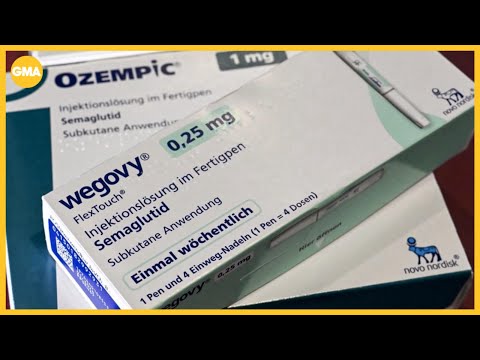
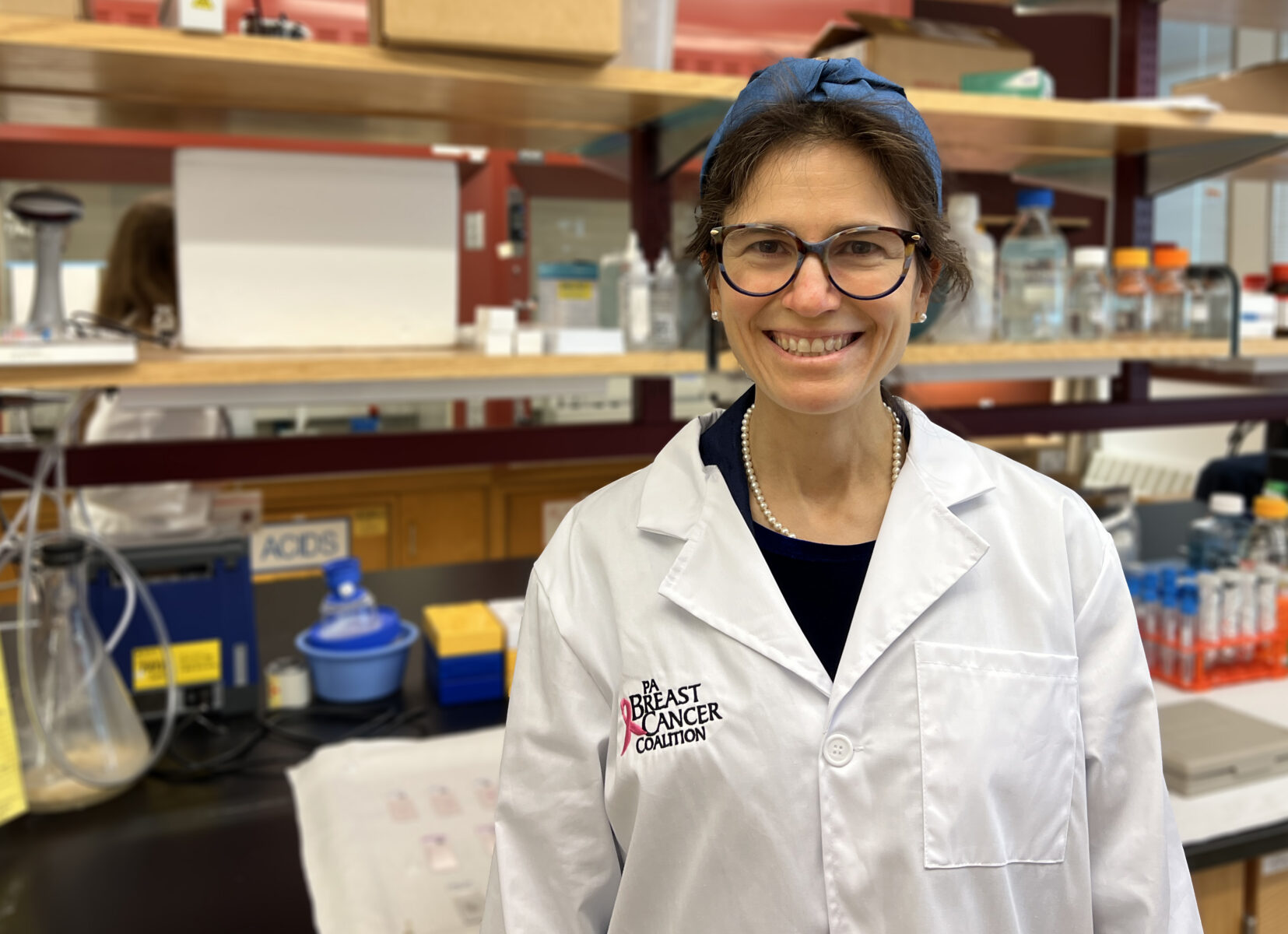
A breakthrough breast cancer research study funded by the PA Breast Cancer Coalition was recently presented at the opens in a new windowASCO (American Society of Clinical Oncology) Conference in Chicago. The opens in a new windowstudy, led by 2023 PBCC research grant winner Dr. Elizabeth McDonald of Penn Medicine, looked into the potential impact of GLP-1 drugs on breast cancer incidence. GLP-1 medications help to regulate blood sugar and appetite in the body. An estimated 30 million Americans take GLP-1s.
About the Study
Dr. McDonald, along with other researchers at Penn (including former PBCC Potamkin Prize winner Dr. Mitchell Schnall), gathered imaging data from a large group of women to determine whether GLP-1 use in patients led to a decrease in the rate of breast cancer diagnosis. Her team did this in two ways by analyzing:
- The full group – over 111,000 women between ages 45 and 80 with BMI >25. Some took GLP-1s and some did not. When comparing data, the breast cancer diagnosis rate was 35% lower in those patients who took GLP-1s
- A matched cohort group – two groups of 15,000+ women each with similar characteristics (race, age, ethnicity, breast density, diabetes status, etc.) Some took GLP-1s and some did not. When comparing data, the breast cancer diagnosis rate was 30% lower in patients who took GLP-1s.
The retrospective analysis did not account for type of GLP-1 medication or length of use, genetic risk factors, or cancer stage or type at diagnosis. Further analyses are planned to address some of these variables.
Additional support for the study was provided by the Abramson Cancer Center and the American College of Radiology Center for Research and Innovation. From here, Dr. McDonald and her research partners hope to conduct a multi-site clinical trial to determine whether GLP-1 drugs are definitively associated with a lower risk of developing breast cancer.
Capturing National News
The Penn Medicine study is making headlines across the country, and future results could have an impact on millions of Americans. According to KFF, 1 in 8 adults report they are currently taking GLP-1 medications. Findings have been shared by dozens of outlets including Good Morning America, The Washington Post, USA Today, CBS News, NBC News, and Womens Health.
“Ultimately, we want to find better options to prevent breast cancer. It’s been encouraging to see the survival rates for breast cancer improve over recent decades, and we’d love to see the same gains in prevention.”
– Dr. McDonald
Watch the Good Morning America segment here: