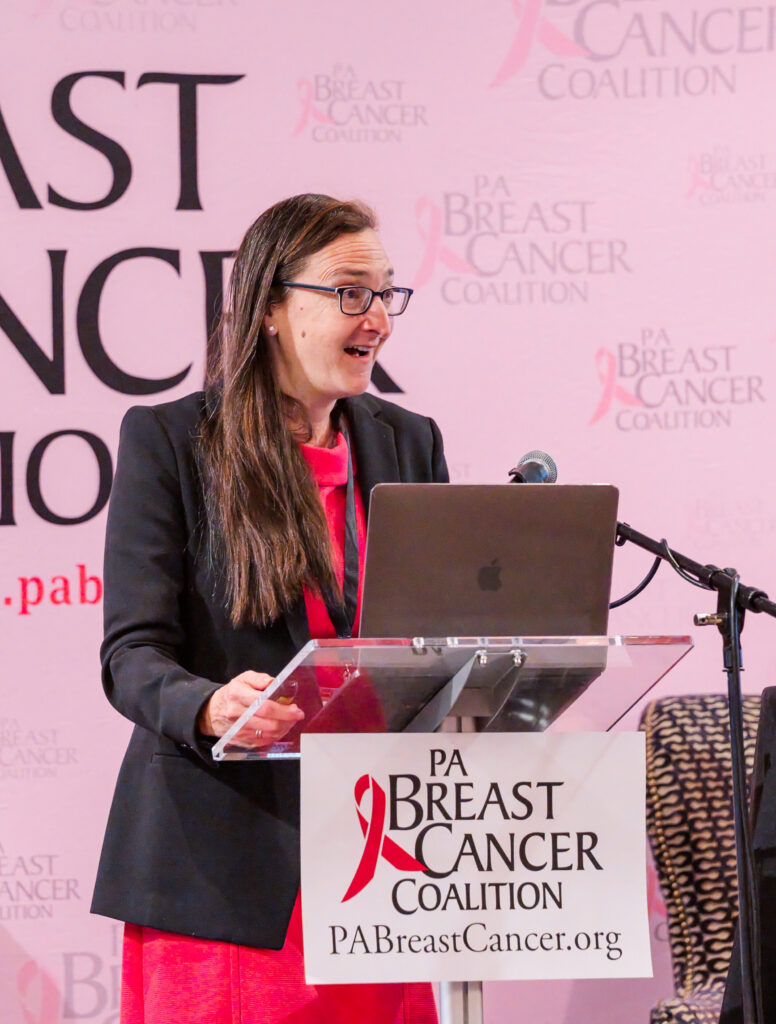
Dawn Hershman, MD, MS, FASCO 2026 Potamkin Prize for Research
Chief, Division of Hematology / Oncology Deputy Director, Herbert Irving Comprehensive Cancer Center, Columbia University
Advances in cancer research have transformed how we prevent and treat cancer, but discovering an effective treatment is only the beginning. For patients to benefit, they must be able to access treatment, tolerate it, and take it as intended. My research has focused on understanding the real-world barriers that can prevent this from happening, and finding practical ways to overcome them. Using electronic health records, cancer registries, insurance claims, and information from clinical trials, we have studied why some patients receive high-quality, guideline-recommended care while others do not. We have found that cancer outcomes are influenced by much more than the treatment itself. Where a person lives, their financial and social resources, their insurance, and the health system where they receive care can all affect whether they receive and benefit from the best available treatments. These factors contribute to persistent differences in cancer outcomes.
“Cancer outcomes are influenced by much more than the treatment itself. Ultimately the goal is to ensure that scientific advances reach all patients.”
We have also studied medication adherence and the challenges patients face during treatment. For example, endocrine therapy is highly effective in preventing breast cancer recurrence, but many women stop taking these medications early or do not take them consistently. Financial burden and treatment-related side effects, including joint pain and other symptoms that may not be considered “severe” by traditional measures, can play an important role.
Listening to patients has helped identify potential solutions. Through clinical trials, we have tested medications, exercise, dietary approaches, digital interventions, supplements, and acupuncture to determine what actually improves symptoms, quality of life, and treatment adherence. Some approaches do not work, some can cause harm, and others, such as acupuncture for treatment-related joint pain can provide meaningful and lasting benefit.
Ultimately, the goal is to ensure that scientific advances reach all patients. This requires clinical trials that are accessible and representative, better understanding of the systems in which cancer care is delivered, and rigorous testing of interventions that address the practical challenges patients face every day.