PBCC Research Grants
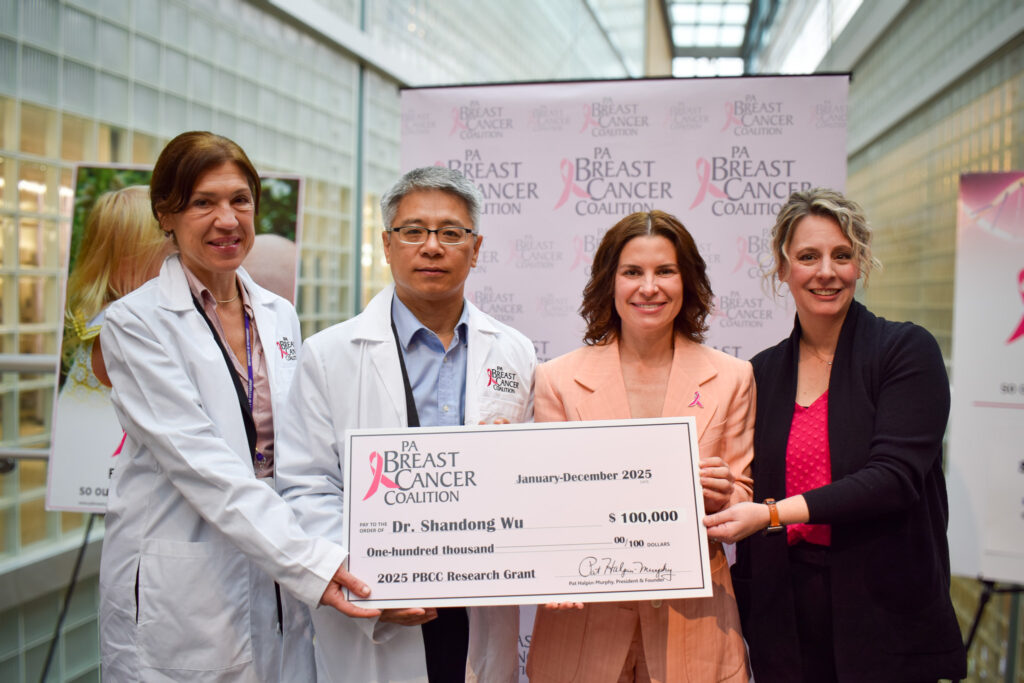
To date, the PA Breast Cancer Coalition has awarded more than $6.6 million to Pennsylvania breast cancer researchers, bringing us one step closer to “finding a cure now… so our daughter don’t have to.”

Congratulations, 2026 PBCC Research Grant Awardees!

Lewis Chodosh, MD, PhD
Penn Medicine
This study investigates how dormant breast cancer cells survive treatment and later return as therapy-resistant metastatic tumors. The team discovered that the protein SEPP1 plays a key role in helping these cells survive and driving tumor recurrence. Patients whose tumors gain extra copies of the SEPP1 gene tend to have poorer outcomes. Experiments show that targeting SEPP1 can eliminate dormant cancer cells and prevent tumor recurrence in mice. Understanding the role of SEPP1 provides a promising path to develop new therapies aimed at stopping metastatic breast cancer and improving patient survival.
Christine Edmonds, MD
Penn Medicine
This study aims to use a novel imaging technique, DNP-13C-MRSI, to detect and measure dormant breast cancer cells. Researchers will also test whether this method can predict tumor recurrence after therapy. The findings will guide early clinical trials in patients with invasive breast cancer, exploring its potential to forecast treatment response, recurrence risk, and long-term outcomes. This work represents the first use of hyperpolarized MRI to study breast cancer dormancy and could become a powerful tool for improving prognosis and personalizing therapy to reduce the risk of cancer returning.

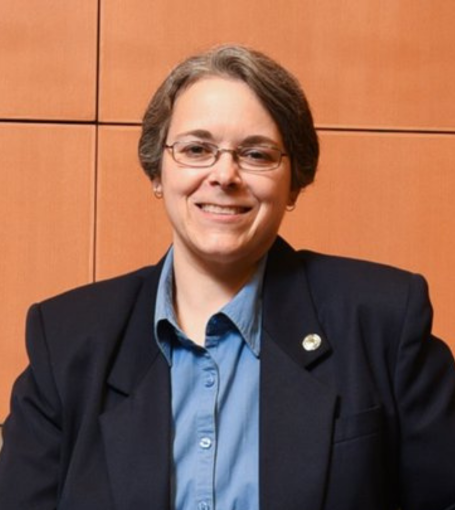
Christine Eischen, PhD
Thomas Jefferson University
This research focuses on understanding why some triple-negative breast cancer (TNBC) cells resist new targeted treatments. TNBC is an aggressive cancer with high relapse rates, frequent metastasis, and poor survival, often driven by mutations in the p53 gene that make tumor cells more aggressive. The team discovered that p53-mutated TNBC cells rely on a protein called MDM2 to survive. A new compound has been developed to destroy MDM2 and kill these cancer cells. This study aims to uncover how TNBC cells might develop resistance to this treatment, ultimately guiding more effective therapies for patients.
Fred Krebs, PhD
Drexel University
This research focuses on developing more precise breast cancer treatments by targeting mechanisms that drive tumor growth and spread. The studies investigate dielectric barrier discharge plasma (DBDP), a form of non-thermal plasma, as a potential therapy. DBDP can activate immune responses against both treated tumors and untreated metastatic tumors, making it a patient-specific immunotherapy. The research explores how DBDP triggers tumor-specific immune responses and how it can be combined with other therapies for greater effectiveness. These studies aim to establish proof of concept for DBDP and lay the foundation for new breast cancer treatments.

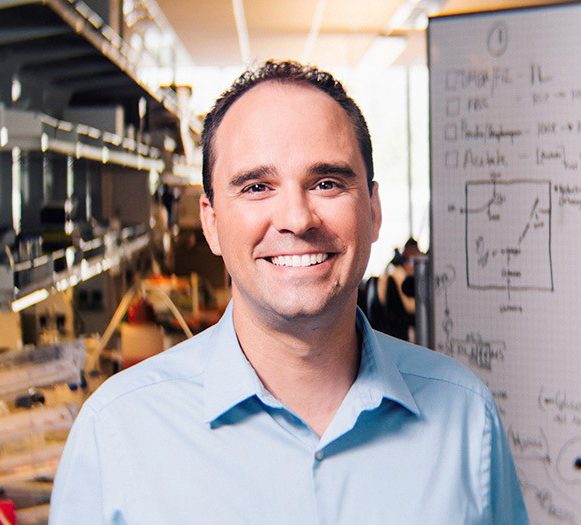
Zachary Schug, PhD
Thomas Jefferson University
This research focuses on improving immunotherapy for breast cancer, which often fails because tumors block immune cells from accessing the nutrients they need to fight cancer. Breast tumors consume the nutrient acetate, depriving immune cells. A drug has been developed that blocks tumors from using acetate while leaving it available for immune cells. In preclinical studies, this approach activates immune cells to target tumors and is effective across multiple breast cancer subtypes. These findings could lead to more effective, less toxic treatments and support clinical trials combining acetate metabolism inhibitors with immune cell therapies like CAR-T.
Your Impact
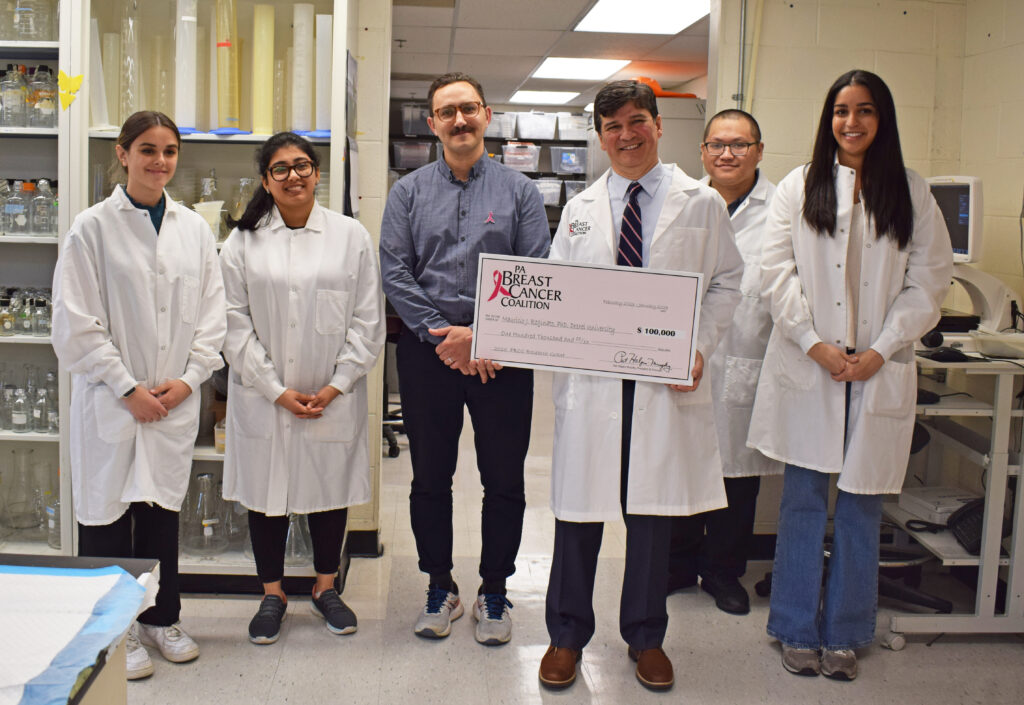
The PA Breast Cancer Coalition awards $500,000 in Research Grants in 2026. To date, the program has awarded more than $6.6 million to outstanding Pennsylvania scientists.
Donate to Research
Because of your support, we are able to help Pennsylvania breast cancer researchers get their innovative ideas off the ground. Make a gift to the future of breast cancer treatment today.
PBCC Research Grant Reviewers Wanted
Help us select future PA Breast Cancer Coalition Research Grant winners!